Hypermobility care runs in our family
Meet our team

Dr. Rani Gandham, M.D.
I spent more than twenty-five years caring for children and families in upstate New York. Born in Narsapur, India, into a multigenerational family of physicians, I was trained in pediatrics at Thomas Jefferson University in Philadelphia but grew up surrounded by the principles of Eastern medicine. Throughout my career, I maintained a deeply personal, high-touch approach to my patients—following up after visits, checking in by phone, and favoring thoughtful, natural interventions over unnecessary prescriptions. My patients tell me they value my warmth, attentiveness, and commitment to treating the whole person, not just the diagnosis.
Today, my concierge practice focuses on adults and children with hypermobility spectrum disorders, Mast Cell Activation Syndrome (MCAS), and dysautonomia.
My approach to hypermobility goes beyond traditional medical training. I actively pursue advanced education in biomechanics and rehabilitation, including coursework typically sought by experienced physical therapists looking to deepen their expertise in complex movement dysfunction. Most recently, I completed the Postural Restoration Institute's Pelvis Restoration course, further strengthening my ability to bridge medical care with specialized physical rehabilitation. Outside of the practice, I am currently rehabbing my hypermobile hands.

Dr. Sai Gandham, M.D.
My husband, Dr. Sai Gandham, is a fellowship-trained ophthalmic surgeon with more than two decades of experience in the diagnosis and treatment of eye diseases. At the hypermobility clinic, he provides comprehensive fundus and optic-nerve evaluations, using the eye as a window into autonomic health. Through careful analysis of subtle optic-nerve changes he helps identify early signs of intracranial hypertension—conditions that are often missed in patients with Thoracic Outlet Syndrome, Craniocervical Instability, and Dysautonomia. His work adds a neuro-ophthalmic perspective to the clinic’s multidisciplinary approach.
Dr. Gandham is hypermobile and has maintained his exceptional level of health through his consistent daily routines. He begins each morning with a five-mile walk, brings his own home-cooked meals wherever he goes, ensures steady hydration throughout the day, and is thorough with his sleep hygiene.
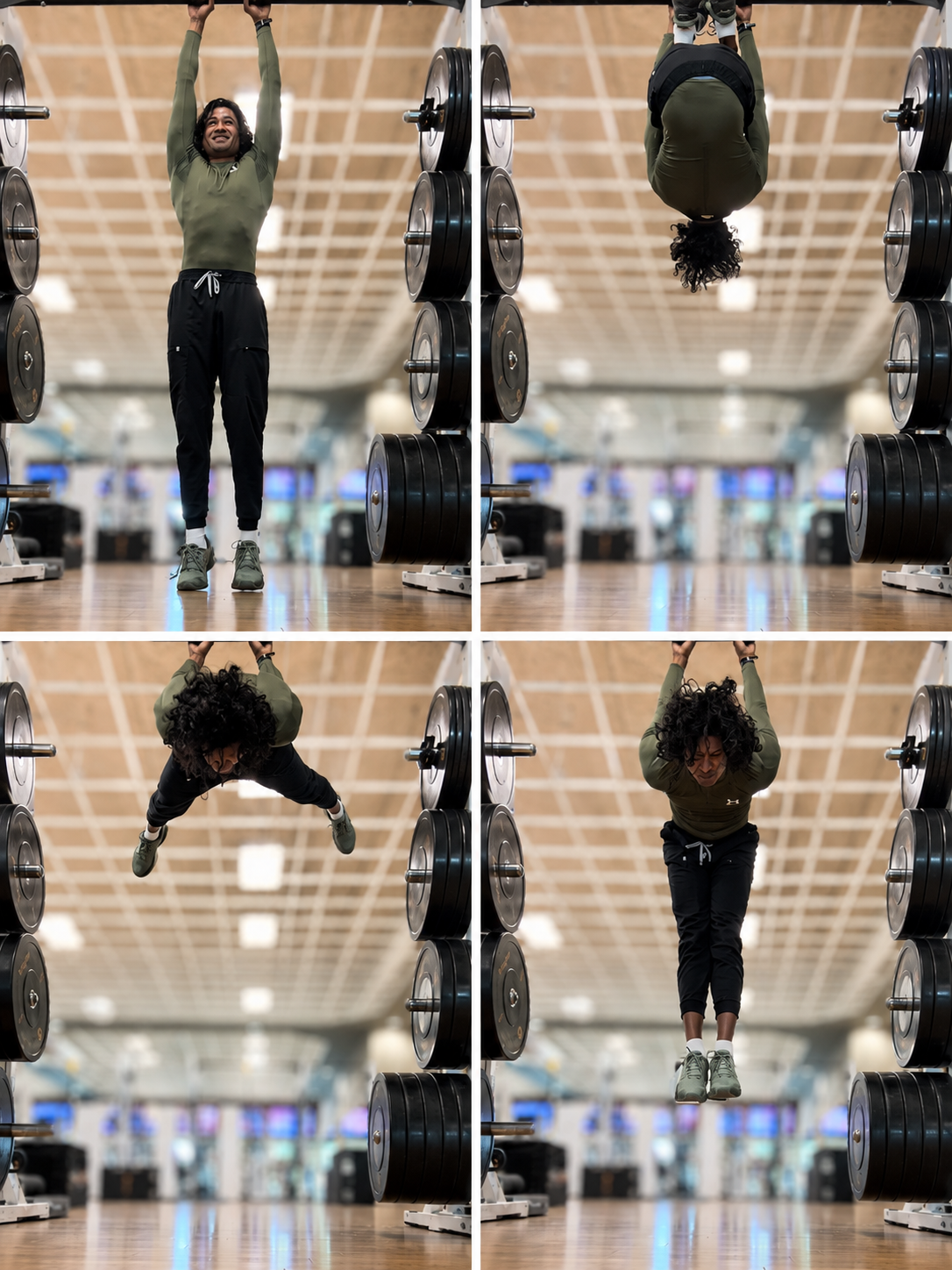
Kasey Gandham, CPT
My son Kasey has lived with hypermobile Ehlers-Danlos Syndrome since childhood, long before my husband or I knew what it was called. Growing up, his body often felt like a puzzle that never quite fit together: constant injuries, fatigue, and strange, unexplained symptoms that didn't match what doctors saw on paper. For years, he pushed through school, athletics, and work while his autonomic nervous system and connective tissue were quietly unraveling.
Kasey founded a successful multimillion-dollar AI startup and lived a high-stress lifestyle. When his health finally collapsed bringing severe dysautonomia, mast cell activation, and widespread joint instability, he was forced to rebuild from the ground up. Through our care and his determination, he regained stability piece by piece and returned to a full, active life. For the first time in more than 30 years, he now reports living without the chronic pain that once defined his daily life.
Kasey has personally trialed dozens of therapies, medications, and procedures related to managing his hEDS, MCAS, and dysautonomia. We eventually found the right combination of medications to manage his MCAS and dysautonomia, but many of those medications are no longer required today.
Today, Kasey runs his next startup company and coaches and trains in Pilates, aerial arts, and gymnastics. Kasey is a certified personal trainer specializing in hypermobile individuals and serves as a strength and rehabilitation coach for our patients. He is continuously advancing his knowledge of biomechanics and movement rehabilitation, and has completed coursework in Pelvis Restoration from the Postural Restoration Institute. He works closely with patients and their physical therapists to advance the rehab components of our medical treatment plans.

The Little Gandhams
My Grandchildren, a 4-year-old little girl and a 1-year-old little boy (we’ll call them the Little Gandhams to protect their privacy) are also exhibiting signs of hypermobility. My Granddaughter is following our protocol to build strength and condition her muscles to support her ligaments. She is getting comfortable with postural cues like “tall neck” and “keep a strong tummy”. We use protective measures to support her gut health and reduce MCAS reactions. She’s now a thriving preschooler, with a supportive care routine that is upheld by her school. She attends physical therapy each week proactively—she calls her therapist her “Body Teacher” and loves it.
She understands that hypermobility gives her “special powers” of flexibility, but that those special powers also require special care, strength, and support so she doesn’t get injured.
While the Little Gandhams won’t be a part of your care team, they are the heart and soul of our practice that motivate us to stay on the cutting edge of research and effective care procedures.