Telehealth care for EDS, POTS and MCAS in Connecticut

One of the nation’s only practices providing integrated care for hypermobility and its related conditions, including MCAS, dysautonomia, GI disorders, sleep disorders, and chronic pain, all under one roof, now by telehealth in Connecticut.

  • Licensed in Connecticut, care by video anywhere in the state
  • Accepting new Connecticut patients.
  • Self-pay, membership-based care

“After years of consulting specialists for EDS hypermobility, Mast Cell Activation, and POTS… I have finally found someone who not only sees the whole thing but also understands the minute details that build a foundation of health.”

★★★★★ Heather P., Google review

“Before I even arrived, she had read all of my extensive medical records… she connected parts of my medical history and explained things I had lived with for years in ways that finally made sense. Never once did I feel rushed.”

★★★★★ Rosie L., Google review

“I have never in my life felt so seen and heard… I felt like I now understand what I need to do for my HEDS… and finally feel like I’m headed into the correct direction.”

★★★★★ Andrea H., Google review

Read more of our reviews on Google

Our family has three generations of individuals living with hypermobile Ehlers-Danlos Syndrome (hEDS). We built the practice we wish we had, for our family and yours.

For me, this is personal.

My name is Dr. Rani Gandham. My adult son and my young granddaughter both have hypermobile Ehlers-Danlos Syndrome (hEDS), along with associated autonomic, venous compression, and mast cell issues.

When my son became sick, we struggled to get answers. After finally receiving a diagnosis, we traveled across the country seeing top specialists…regenerative medicine providers, GI doctors, rheumatologists, orthopedists, cardiologists, endocrinologists. Many of these clinicians were thoughtful and often correct in their own domains. But what was missing was integration.

From that experience, a framework emerged: a structured way of organizing treatment that prioritizes how symptoms interact across systems, the order in which those systems are addressed, and the unique ways hypermobile bodies build joint stability. That framework helped my son get back to his normal life, and now it forms the basis of our medical practice.

We built this practice so you can truly have a clinical home…where your care is coordinated and your whole picture is understood.

~ Dr. Rani Gandham
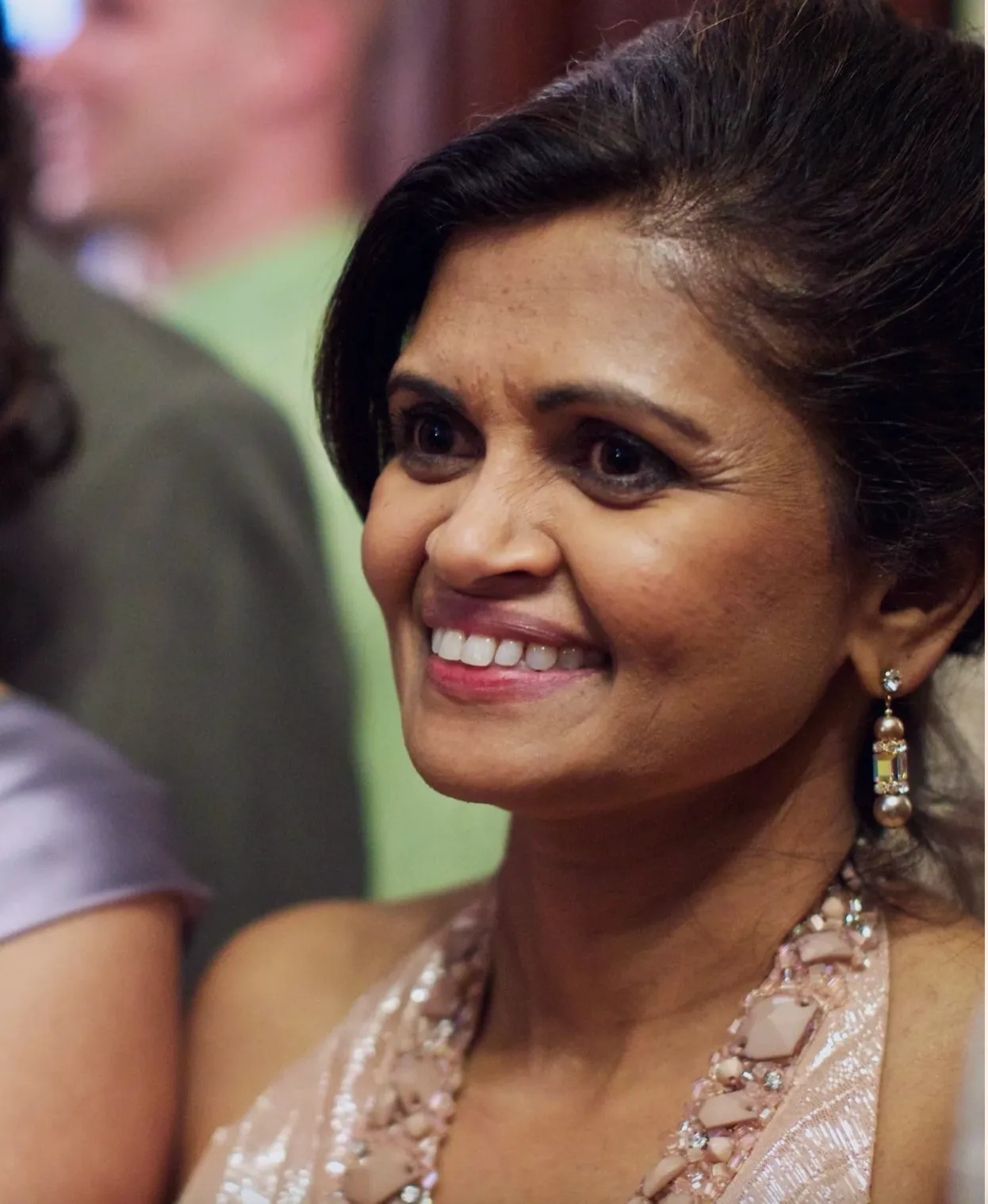
Dr. Rani Gandham, smiling, wearing a beaded top and large earrings.
Medical director, licensed in New York and Connecticut.

Care for Ehlers-Danlos, POTS and MCAS together

If you've been searching for an Ehlers-Danlos, POTS or MCAS specialist in Connecticut, you may have noticed these conditions rarely show up alone. As Dr. Rani puts it, "Nervous system dysregulation (POTS, dysautonomia, fatigue), immune activation (MCAS, histamine intolerance), and connective tissue instability do not operate independently. They amplify one another." That is why we treat them under one roof instead of sending you to a different specialist for each one.

We see adults and children with:

  • Hypermobile EDS (hEDS) and hypermobility spectrum disorder (HSD). Joint instability, subluxations, chronic pain, and the fatigue that comes with them.
  • POTS and other dysautonomia. Racing heart on standing, lightheadedness, temperature instability, and fatigue.
  • MCAS and histamine-related issues. Flushing, hives, reactions to foods or medications, and GI symptoms. We start low and go slow with treatment, because many of our patients react to medications and supplements that other people tolerate easily.

Many of our patients also deal with GI motility issues, craniocervical or spinal instability, and thoracic outlet syndrome. You can see the full list on our approach page.

How telehealth works in Connecticut

Be in Connecticut during each visit. Medical licenses cover where you are during a visit, not where you live, so you need to be physically in Connecticut (or New York) for every telehealth visit. Home, work, or a parked car all count, whether you're in Hartford, New Haven, Stamford, or a small town in between. If you'll be out of state on a visit day, let us know and we'll reschedule.

Can EDS, POTS and MCAS care be done by telehealth?

Yes, for most of what you need. The question we hear most is whether a doctor can evaluate hypermobility without being in the room. Much of an EDS, POTS and MCAS evaluation comes from your history, your symptoms over time, your labs and imaging, and how your body responds day to day. That is the work of our 2-hour first visit. When it doesn't, we'll tell you (more below).

How we do this by telehealth

  1. Before your visit. Dr. Rani reviews your history, labs, and imaging herself, not just the radiology reports.
  2. During your visit. You spend 2 hours with Dr. Rani, looking at all three systems: MCAS, dysautonomia, and hypermobility. Dr. Rani guides you through parts of the physical exam on camera, such as checking your joint mobility and skin, and a simple standing test while you check your heart rate and blood pressure.
  3. After your visit. You get a Written Care Summary you can share with your local doctors, physical therapist, and urgent care, plus one phased plan for all three systems.
  4. Between visits, if you are a member. You have unlimited on-demand concierge messaging for non-emergencies. Dr. Rani reviews your home blood pressure logs between visits. Kasey Gandham, CPT, our Director of Strength and Rehabilitation, can review video of your movements and work with your local physical therapist.

We keep the practice small and see a limited number of patients, so each person gets real time and attention. Lately, the wait for a first visit has been about 3 weeks. Your hypermobility, POTS and MCAS are treated as one connected problem, not three referrals.

Telehealth has limits

Some things still need a hands-on exam, imaging, or a local specialist. When that happens, we'll tell you what needs to be seen in person and why, work with your local doctors and physical therapist, and send them your written summary so they aren't starting from scratch. Our own office is near Albany, New York, if you want to be seen there.

In an emergency, call 911 or go to your nearest emergency room, not our messaging line.

What care looks like

  1. 1. A free intake call. Every new prospective patient starts with an initial 30-minute intake call at no charge. It helps us understand if we can help you, and helps you decide if we're the right fit.
  2. 2. A Comprehensive Diagnostic Session. A 2-hour telehealth visit with Dr. Rani, plus the time she spends reviewing your records beforehand and writing up your care summary and plan afterward. $1,500.
  3. 3. Concierge Medical Care Membership, if you want ongoing care. Up to 6 one-hour visits a year, unlimited on-demand concierge messaging for non-emergencies, ongoing case management, and strength and rehabilitation planning we can share with your local physical therapist. $425/month. Or $385/month when joining our Annual Plan. Discounts exist for added family members. Your diagnostic session fee covers your first month of membership if you join.

Care is self-pay, and you can use HSA/FSA funds. See the insurance question below for details.

If we don't think telehealth is right for you, we'll tell you on the free call, before you pay anything.

Start with a free intake call

No referral needed.

Questions from Connecticut patients

What kind of doctor diagnoses EDS or hypermobility spectrum disorder?

Hypermobile EDS (hEDS) and hypermobility spectrum disorder (HSD) are clinical diagnoses. There is no single blood test, so a physician who knows the diagnostic criteria makes the diagnosis from your history, a physical exam, and your records. Dr. Rani evaluates hEDS and HSD as part of the Comprehensive Diagnostic Session, alongside POTS and MCAS. If your history suggests a rarer type of EDS that needs genetic testing, we'll tell you and help you get it.

What doctor treats POTS, and how do I get diagnosed?

POTS is often diagnosed by a cardiologist or neurologist, but many people with EDS find their POTS is tied to their other symptoms. Dr. Rani diagnoses and treats POTS and other dysautonomia as part of one plan with your hypermobility and MCAS care. Treatment often starts with precise daily fluid and sodium targets, and Dr. Rani reviews your home blood pressure logs to adjust your plan over time.

What doctor treats MCAS?

MCAS is often managed by an allergist or immunologist. Dr. Rani treats MCAS and histamine-related issues together with hypermobility and dysautonomia, because flares in one system often set off the others.

Can you diagnose and treat me by telehealth while I'm in Connecticut?

Yes. Dr. Rani is licensed in Connecticut, and your visits happen over video. You need to be physically in Connecticut (or New York) during each visit. She guides parts of the physical exam on camera. If anything needs to be seen in person, we'll tell you and help arrange it.

Can adults in Connecticut get diagnosed with EDS?

Yes. Dr. Rani evaluates adults and children in Connecticut by telehealth. There's no Connecticut office, and you don't need one for your care. Many of our patients are adults who have spent years looking for a doctor who would take their symptoms seriously. First and foremost, we believe you.

Do I need a referral?

No. You can contact us directly.

Do you take insurance?

No, we do not bill insurance for visits. Care is self-pay. You can still use insurance for medications, labs, and imaging we order, and you can use HSA/FSA funds. We provide superbills on request that you can submit to your insurer for possible out-of-network reimbursement. See our services page for current pricing.

How soon can I be seen?

We are accepting new Connecticut patients now. Every new patient starts with a free 30-minute intake call, and we'll share current availability for your Comprehensive Diagnostic Session on that call. Lately, the wait for a first visit with Dr. Rani has been about 3 weeks, sometimes a little more or less depending on demand. We limit how many patients we take on purpose, so waits don't stretch to several months.

Ready to talk?

We are accepting new Connecticut patients now. You'll need to be in Connecticut or New York for your visits.

Start with a free intake call

No referral needed.

Please don't include sensitive health information in the contact form. We'll go over your health history privately on your intake call.

Start with a free intake call

No referral needed.