Telehealth and in-person care for EDS, POTS and MCAS in New York

Dr. Rani Gandham, MD, diagnoses and treats EDS, HSD, POTS and MCAS for patients anywhere in New York by telehealth, and in person at our office in Slingerlands, near Albany.

One of the nation’s only practices providing integrated care for hypermobility and its related conditions.

  • Licensed in New York
  • Now accepting new patients
  • Self-pay, membership-based care
Become a Patient

Every new patient starts here: a free 30-minute phone call with our team about how the practice works, membership and pricing, and whether we can help. It's not a medical visit.

No referral needed.

“I am stronger, have more joint stability, and fewer symptom flares as a result of the measures we have put in place.”

★★★★★ Heather P., Google review

“Before I even arrived, she had read all of my extensive medical records… she connected parts of my medical history and explained things I had lived with for years in ways that finally made sense. Never once did I feel rushed.”

★★★★★ Rosie L., Google review

“I have never in my life felt so seen and heard… I felt like I now understand what I need to do for my HEDS… and finally feel like I’m headed into the correct direction.”

★★★★★ Andrea H., Google review

Read more of our reviews on Google

Our family has three generations of individuals living with hypermobile Ehlers-Danlos Syndrome (hEDS). We built the practice we wish we had, for our family and yours.

For me, this is personal.

My name is Dr. Rani Gandham. My adult son and my young granddaughter both have hypermobile Ehlers-Danlos Syndrome (hEDS), along with associated autonomic, venous compression, and mast cell issues.

When my son became sick, we struggled to get answers. After finally receiving a diagnosis, we traveled across the country seeing top specialists…regenerative medicine providers, GI doctors, rheumatologists, orthopedists, cardiologists, endocrinologists. Many of these clinicians were thoughtful and often correct in their own domains. But what was missing was integration.

From that experience, a framework emerged: a structured way of organizing treatment that prioritizes how symptoms interact across systems, the order in which those systems are addressed, and the unique ways hypermobile bodies build joint stability. That framework helped my son get back to his normal life, and now it forms the basis of our medical practice.

We built this practice so you can truly have a clinical home…where your care is coordinated and your whole picture is understood.

~ Dr. Rani Gandham
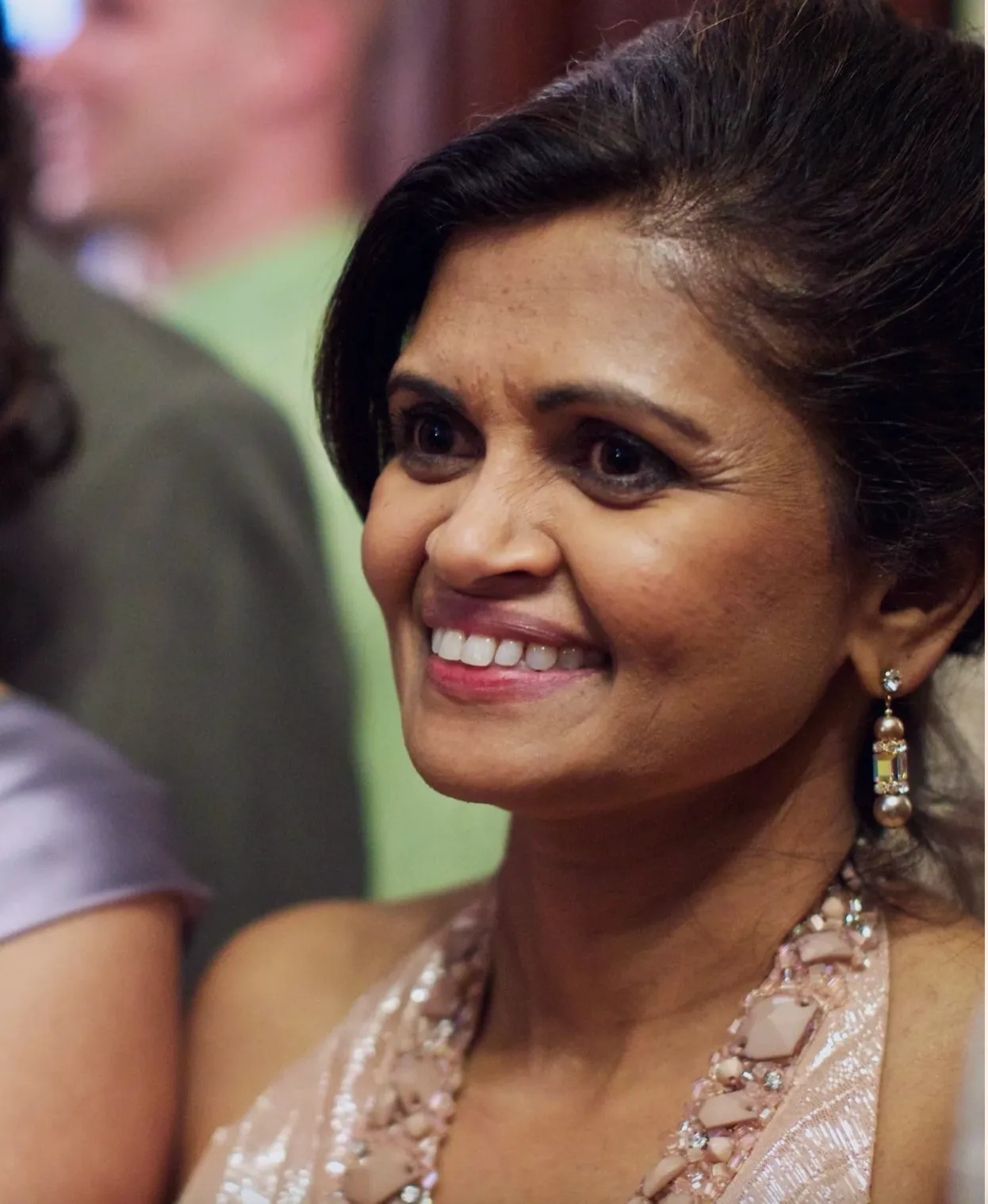
Dr. Rani Gandham, smiling, wearing a beaded top and large earrings.
Medical director, licensed in New York and Connecticut.

Care for Ehlers-Danlos, POTS and MCAS together

If you've been searching for an Ehlers-Danlos, POTS or MCAS specialist in New York, you may have noticed these conditions rarely show up alone. As Dr. Rani puts it, "Nervous system dysregulation (POTS, dysautonomia, fatigue), immune activation (MCAS, histamine intolerance), and connective tissue instability do not operate independently. They amplify one another." That is why we treat them under one roof instead of sending you to a different specialist for each one.

We see adults and children with:

  • Hypermobile EDS (hEDS) and hypermobility spectrum disorder (HSD). Joint instability, subluxations, chronic pain, and the fatigue that comes with them.
  • POTS and other dysautonomia. Racing heart on standing, lightheadedness, temperature instability, and fatigue.
  • MCAS and histamine-related issues. Flushing, hives, reactions to foods or medications, and GI symptoms. We start low and go slow with treatment, because many of our patients react to medications and supplements that other people tolerate easily.

Many of our patients also deal with GI motility issues, craniocervical or spinal instability, and thoracic outlet syndrome. You can see the full list on our approach page.

How does telehealth work in New York?

Telehealth means you can see a hypermobility doctor from anywhere in New York. Home, work, or a parked car all count, from New York City and Long Island to the Hudson Valley, the Capital Region and Western New York. You don't need to be a New York resident, but you do need to be physically in New York or Connecticut during every visit. If you'll be away on a visit day, let us know and we'll reschedule.

Can EDS, POTS and MCAS care be done by telehealth?

Yes, for most of what you need. The question we hear most is whether a doctor can evaluate hypermobility without being in the room. Much of an EDS, POTS and MCAS evaluation comes from your history, your symptoms over time, your labs and imaging, and how your body responds day to day. That is the work of our 2-hour first visit. When it doesn't, we'll tell you (more below).

How we do this by telehealth

  1. Before your visit. Dr. Rani reviews your history, labs, and imaging herself, not just the radiology reports.
  2. During your visit. You spend 2 hours with Dr. Rani, looking at all three systems: MCAS, dysautonomia, and hypermobility. Dr. Rani guides you through parts of the physical exam on camera, such as checking your joint mobility and skin, and a simple standing test while you check your heart rate and blood pressure.
  3. After your visit. You get a Written Care Summary you can share with your local doctors, physical therapist, and urgent care, plus one phased plan for all three systems.
  4. Between visits, if you are a member. You have unlimited on-demand concierge messaging for non-emergencies. Dr. Rani reviews your home blood pressure logs between visits. Kasey Gandham, CPT, our Director of Strength and Rehabilitation, can review video of your movements and work with your local physical therapist.

We keep the practice small and see a limited number of patients, so each person gets real time and attention. Lately, the wait for a first visit with Dr. Rani has been about 3 weeks, sometimes a little more or less depending on demand. Your hypermobility, POTS and MCAS are treated as one connected problem, not three referrals.

Telehealth has limits

Some things still need a hands-on exam, imaging, or a local specialist. When that happens, we'll tell you what needs to be seen in person and why, work with your local doctors and physical therapist, and send them your written summary so they aren't starting from scratch.

In an emergency, call 911 or go to your nearest emergency room, not our messaging line.

Seeing a hypermobility doctor in person near Albany

Most care happens by telehealth. Your 2‑hour Comprehensive Diagnostic Session with Dr. Rani can also be in person at our office in Slingerlands. Some patients choose that when a more hands-on physical assessment helps.

1220 New Scotland Rd, #303, Slingerlands, NY 12159

Get directions

What care looks like

  1. 1. A free phone call. Every new patient starts with a free 30-minute phone call with our team. We'll explain how the practice works, membership and pricing, and talk through whether we can help, so you can decide if we're the right fit. It's not a medical visit.
  2. 2. A Comprehensive Diagnostic Session. A 2-hour visit with Dr. Rani, by telehealth or in person at our office in Slingerlands, plus the time she spends reviewing your records beforehand and writing up your care summary and plan afterward. $1,500.
  3. 3. Concierge Medical Care Membership, if you want ongoing care. Up to 6 one-hour visits a year, unlimited on-demand concierge messaging for non-emergencies, ongoing case management, and strength and rehabilitation planning we can share with your local physical therapist. $425/month. Or $385/month when joining our Annual Plan. Discounts exist for added family members. Your diagnostic session fee covers your first month of membership if you join.

Care is self-pay, and you can use HSA/FSA funds. See the insurance question below for details.

If we don't think telehealth is right for you, we'll tell you on the free call, before you pay anything. Your diagnostic visit can also be in person at our office near Albany.

Become a Patient

No referral needed.

Questions from New York patients

Where can I get diagnosed with EDS in New York?

Right here, by telehealth anywhere in New York or in person near Albany. Hypermobile EDS (hEDS) and hypermobility spectrum disorder (HSD) are clinical diagnoses. There is no single blood test, so a physician who knows the diagnostic criteria makes the diagnosis from your history, a physical exam, and your records. Dr. Rani evaluates hEDS and HSD as part of the Comprehensive Diagnostic Session, alongside POTS and MCAS. If your history suggests a rarer type of EDS that needs genetic testing, we'll tell you and help you get it.

What doctor treats POTS in New York?

Dr. Rani Gandham does, by video anywhere in New York or at our office near Albany. POTS is often diagnosed by a cardiologist or neurologist, but many people with EDS find their POTS is tied to their other symptoms. Dr. Rani diagnoses and treats POTS and other dysautonomia as part of one plan with your hypermobility and MCAS care. Treatment often starts with precise daily fluid and sodium targets, and Dr. Rani reviews your home blood pressure logs to adjust your plan over time.

Who treats MCAS in New York?

Dr. Rani does, for patients across New York, whether you're in Buffalo, Brooklyn or just outside Albany. MCAS is often managed by an allergist or immunologist. Dr. Rani treats MCAS and histamine-related issues together with hypermobility and dysautonomia, because flares in one system often set off the others.

Can you see me by telehealth anywhere in New York, including New York City and Long Island?

Yes. Dr. Rani is licensed in New York and Connecticut, and your visits happen over video. You need to be physically in New York (or Connecticut) during every visit, but you don't have to live here. She guides parts of the physical exam on camera, and if anything needs to be seen in person, we'll tell you and help arrange it.

Can I see Dr. Rani in person?

Yes. Your 2-hour Comprehensive Diagnostic Session can be by telehealth or in person at our office at 1220 New Scotland Rd, #303, Slingerlands, NY 12159, near Albany. Some patients choose in person when a more hands-on physical assessment helps. Most care happens by telehealth.

Do you see adults and children?

Yes. Dr. Rani evaluates adults and children in New York by telehealth, and in person at our Slingerlands office. Many of our patients are adults who have spent years looking for a doctor who would take their symptoms seriously. First and foremost, we believe you.

Do I need a referral?

No. You can contact us directly.

Do you take insurance?

No, we do not bill insurance for visits. Care is self-pay. You can still use insurance for medications, labs, and imaging we order, and you can use HSA/FSA funds. We provide superbills on request that you can submit to your insurer for possible out-of-network reimbursement. See our services page for current pricing.

How soon can I be seen?

We're accepting new patients in New York now. Every new patient starts with a free 30-minute phone call, and we'll share current availability for your Comprehensive Diagnostic Session on that call. Lately, the wait for a first visit with Dr. Rani has been about 3 weeks, sometimes a little more or less depending on demand. We limit how many patients we take on purpose, so waits don't stretch to several months.

Spending time in Connecticut? Your visits can happen there too.

Ready to talk?

We're accepting new patients in New York now. You don't need to be a New York resident, but you do need to be physically in New York or Connecticut during every visit. Some patients also come to our office near Albany.

Become a Patient

Every new patient starts here: a free 30-minute phone call with our team about how the practice works, membership and pricing, and whether we can help. It's not a medical visit.

No referral needed.

Please don't include sensitive health information in the contact form.

Become a Patient

No referral needed.